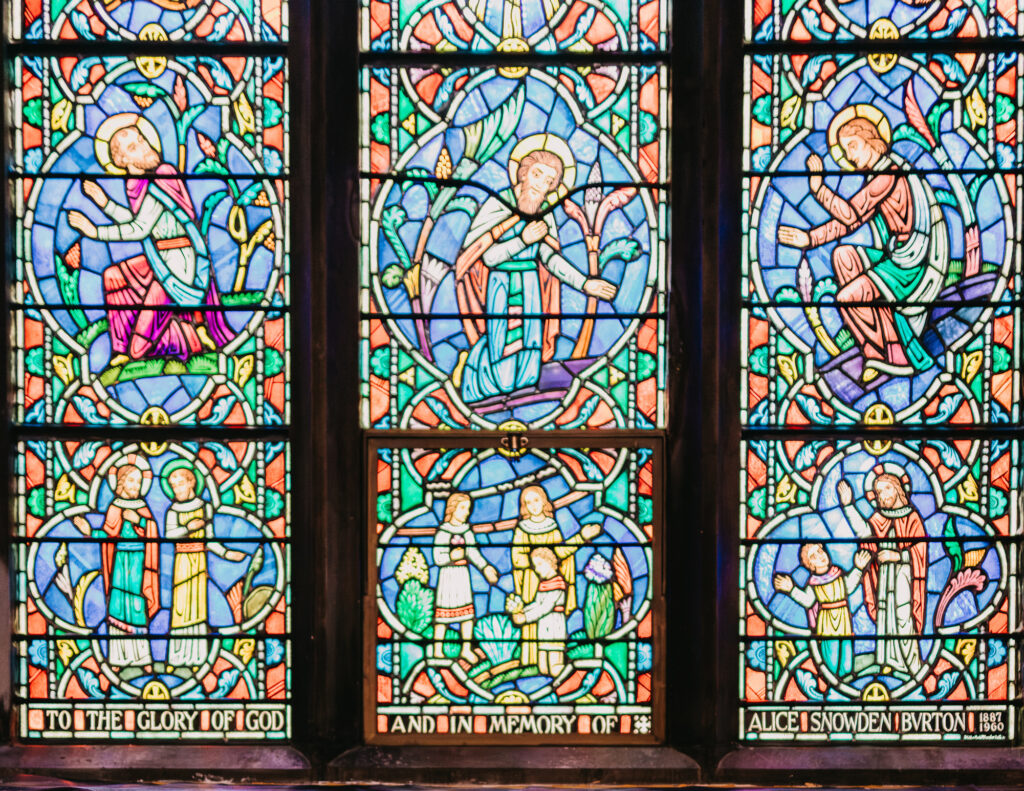

Behind the walls of Christ Church Bronxville, a new geothermal energy system is reshaping how the church serves its community.
Founded in 1901, Christ Church Bronxville has been a cornerstone of the community in Westchester County, NY, providing space for worship, education, volunteering, and community programming. Faced with aging building systems and growing operational needs, the congregation took a forward-looking approach – investing in a geothermal heating and cooling system that improves comfort, reliability, and sustainability.
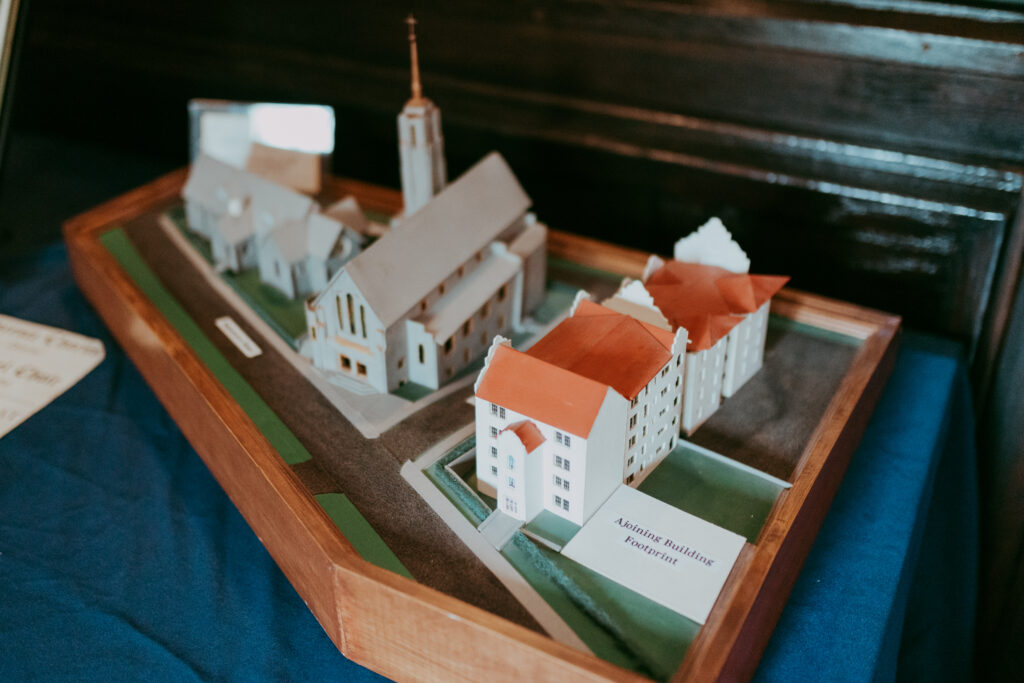
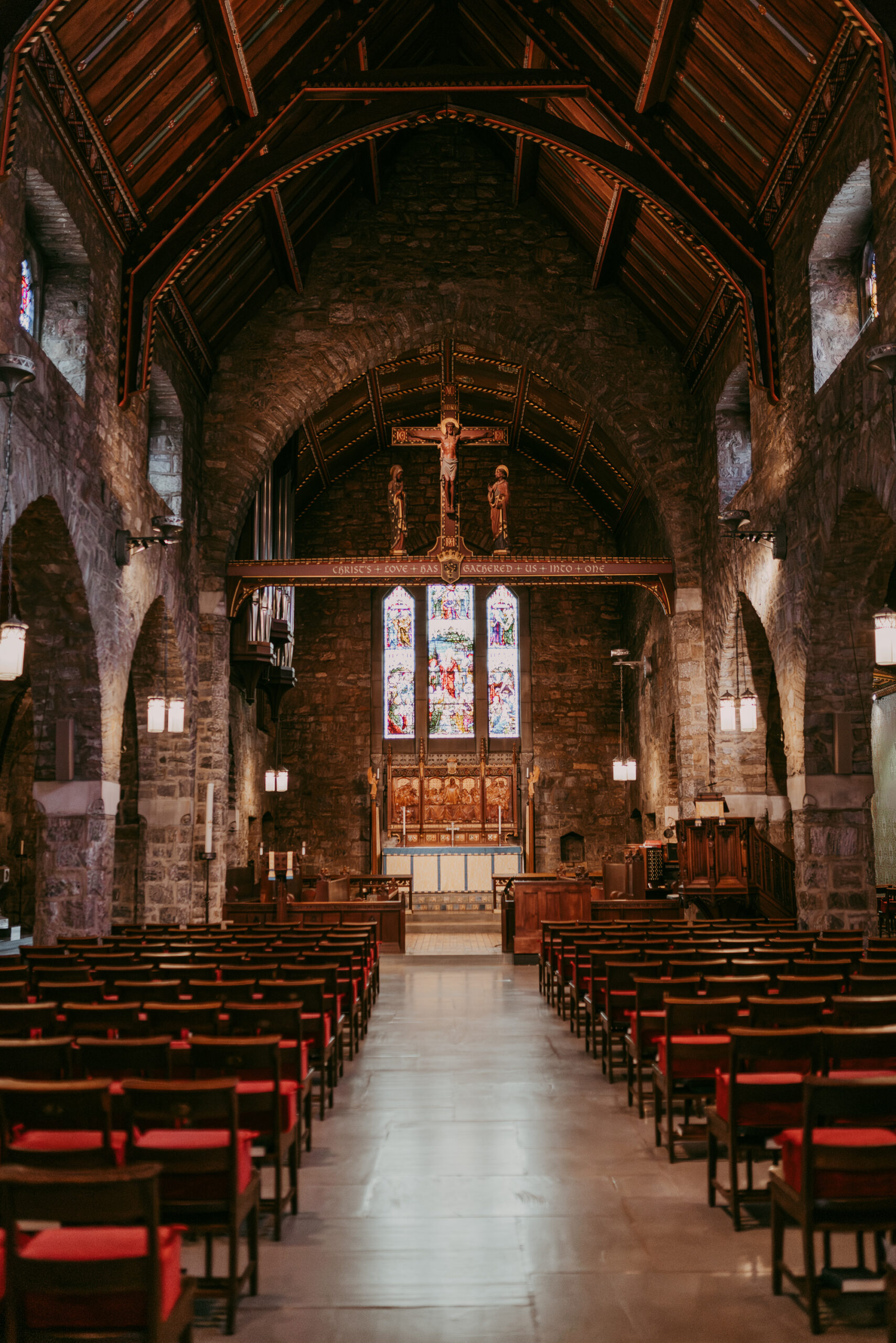
While the congregation was founded in 1901, it didn’t find its home in its current building until 1926. The campus has evolved over time to meet the needs of a growing and active congregation, adding parish halls, classrooms, and administrative areas. Today, the church sits on a four-building campus just steps from the village center.
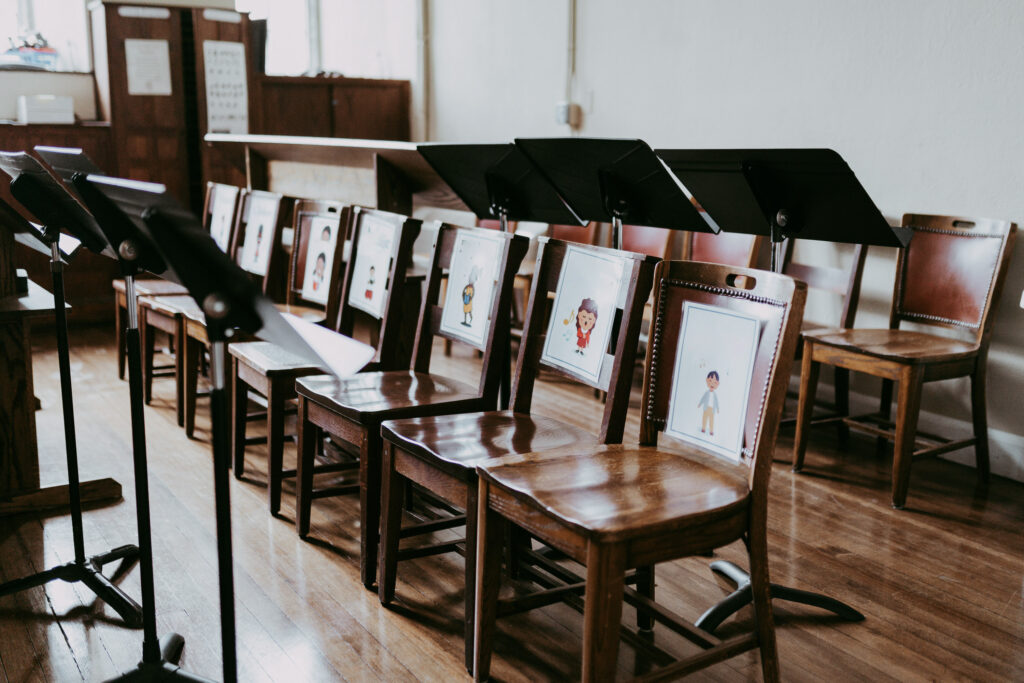
In addition to worship services, the campus supports music programs, youth education, fellowship groups, soup kitchens, and refugee ministries. The church’s programming extends well beyond its walls, supporting partner organizations and food pantries in neighboring communities.
As a year-round community hub, the building’s ability to operate reliably and comfortably in all seasons directly affects the church’s capacity to deliver those services. Kurt Gerhard, the Rector of Christ Church Bronxville, expressed:
The Problem and The Solution
After more than a century, the campus began experiencing challenges common in historic buildings. During extreme heat, some areas became unusable, while in winter, aging steam boilers operated inefficiently. This led to rising utility costs and inconsistent temperatures throughout the buildings.
Rather than simply updating the existing equipment, Christ Church decided to replace the entire system with a longer-term solution: geothermal heating and cooling. Retrofitting cutting-edge technology into a 100-year-old building required careful consideration to integrate mechanical systems without disrupting the building’s historic structure or architectural features.
The result is a closed-loop, ground-source geothermal system, anchored by a roughly 150-ton underground system and distributed through 90 heat pumps. The geothermal system seemed promising to the congregation, but they weren’t sure the initial expense would be worth it. When the church was able to secure utility incentives from Con Edison, that was enough to convince the congregation to move forward.
The next challenge the church faced was the cost of installing geothermal in a century-old building – significant upfront capital was required to move the project forward and unlock long-term savings. In October 2025, NYCEEC provided a $2,000,000 Incentive Bridge loan to finance the design and installation of the new geothermal system. By bridging the time from project inception to receipt of the anticipated incentives and savings, NYCEEC’s capital catalyzed a project that might otherwise have been out of reach.
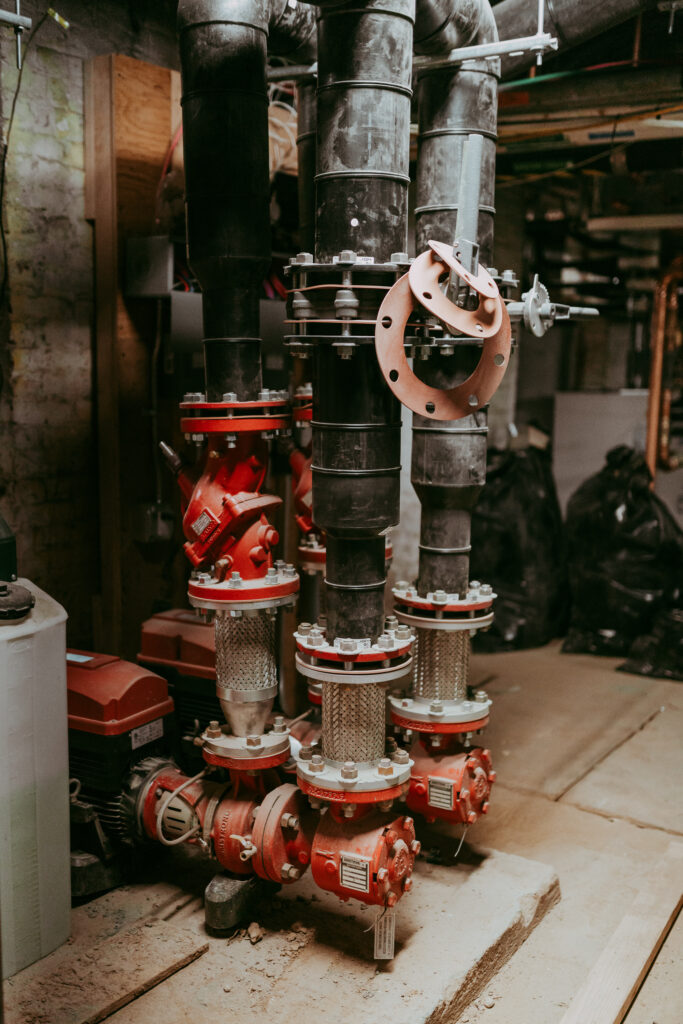
Image 1: Central base-mounted pumps with integral variable frequency drives (VFDs). The VFDs allow the system to continuously adjust to match the exact demand of the building, improving efficiency and maintaining water temperatures. These are what circulate the water through the entire closed-loop geothermal system.
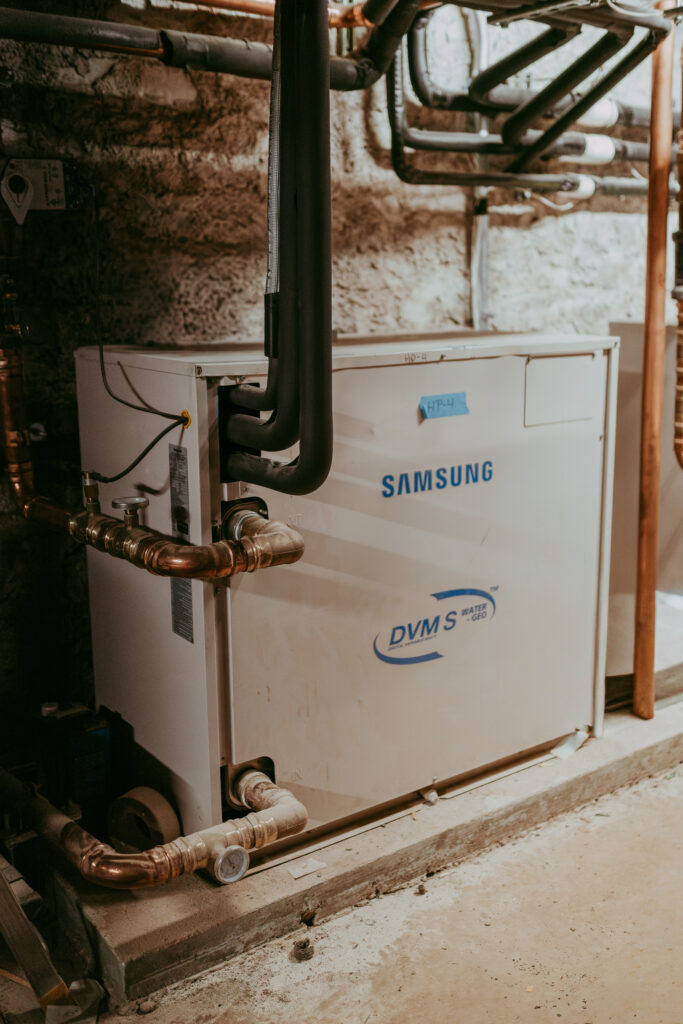
Image 2: Water-sourced condensers used in this system. In the summer when the building needs cooling, the recycled refrigerant absorbs extra heat and transfers it to the cooler ground fluid. In the winter when the building needs heat, the underground loop acts as a heat source.
Site Visit & Observations
In April 2026, the NYCEEC team visited Christ Church Bronxville after installation and discussed the project with Reverend Kurt Gerhard, the church’s rector and de-facto project manager.
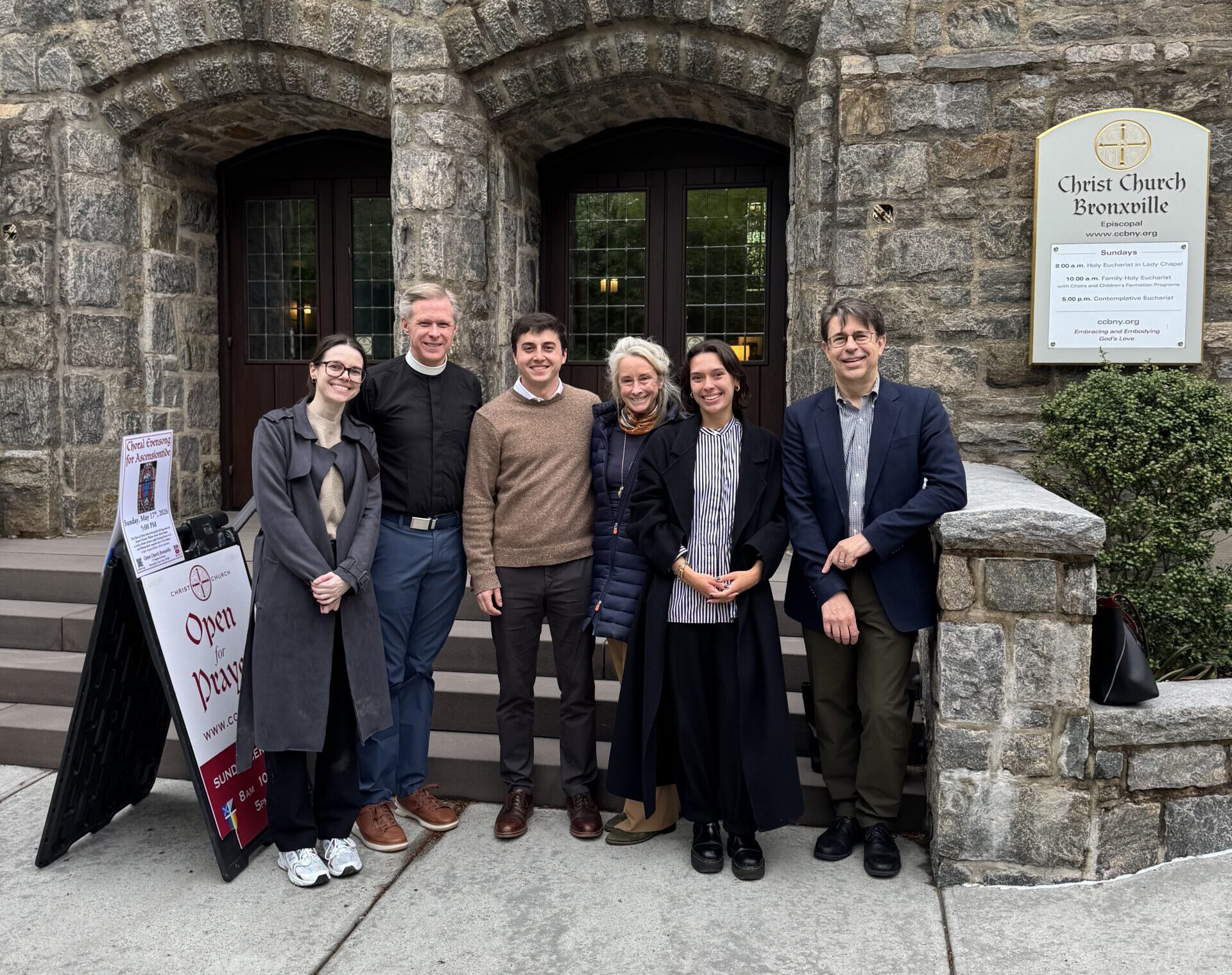
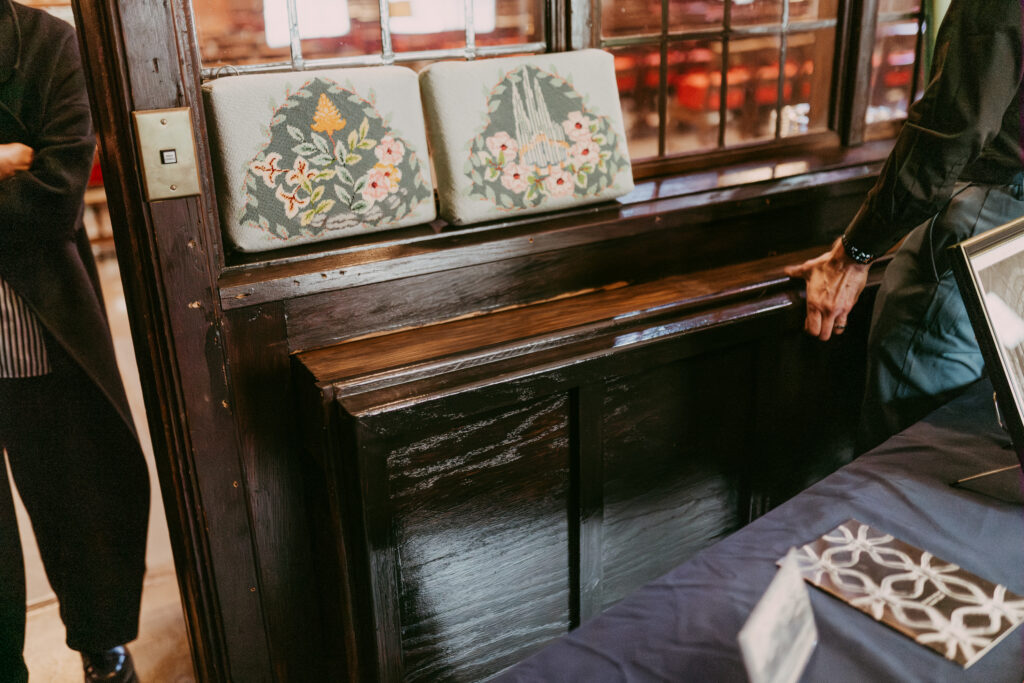
Image: The NYCEEC Team with Reverend Kurt Gerhard
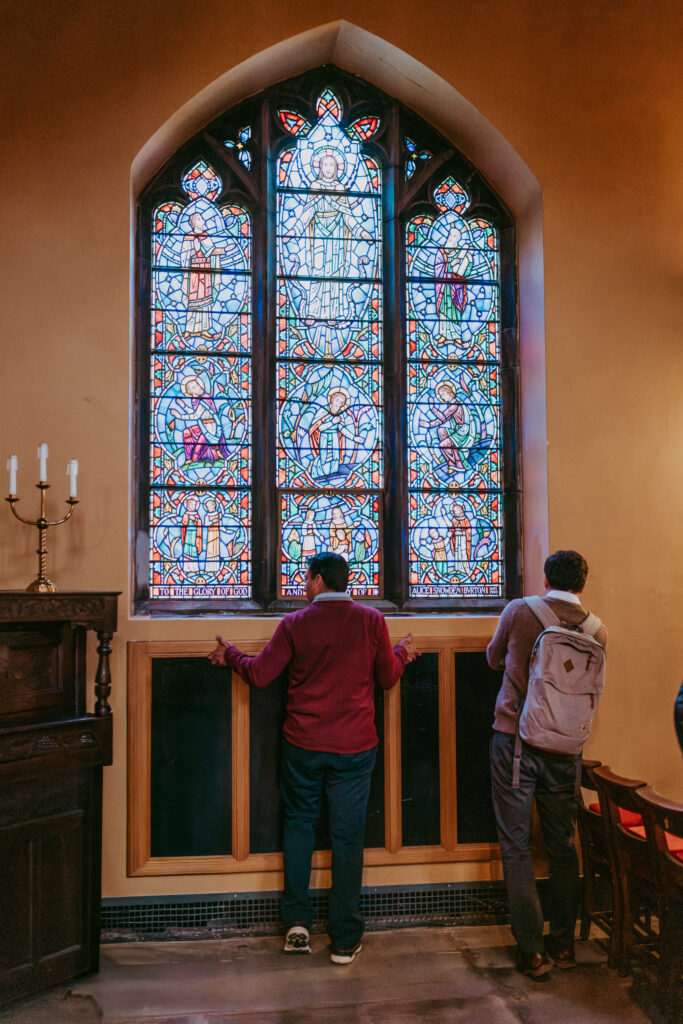
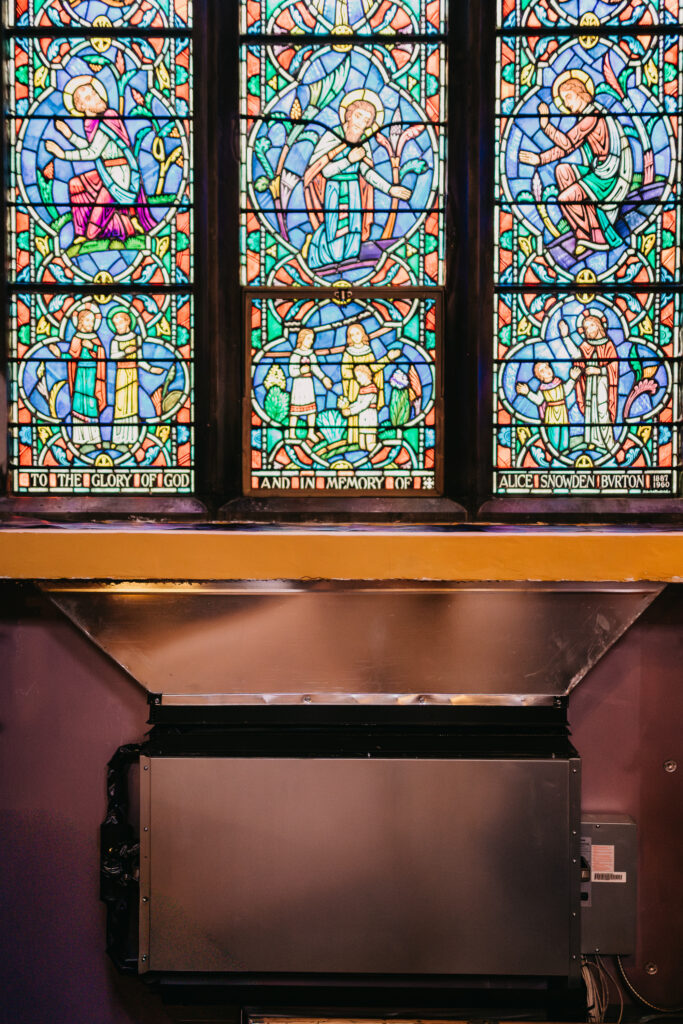
One of the most notable aspects of the geothermal system is how little of it is visible to the casual eye. From a visitor’s perspective, the building looks unchanged. During the visit, Reverend Kurt highlighted how new components were carefully integrated into the existing building. In the nave, heat pumps were concealed within walls using custom woodworking. In the basement, overhead piping was painted to blend in with the ceiling.
Images: A typical floor-mounted indoor heat pump, concealed within the window cavity, which was originally where the cast iron steam radiators were installed. The heat pumps inside the church’s nave were installed with custom woodworking to preserve the historical features of the church, reduce any noise, and still provide easy access for maintenance.
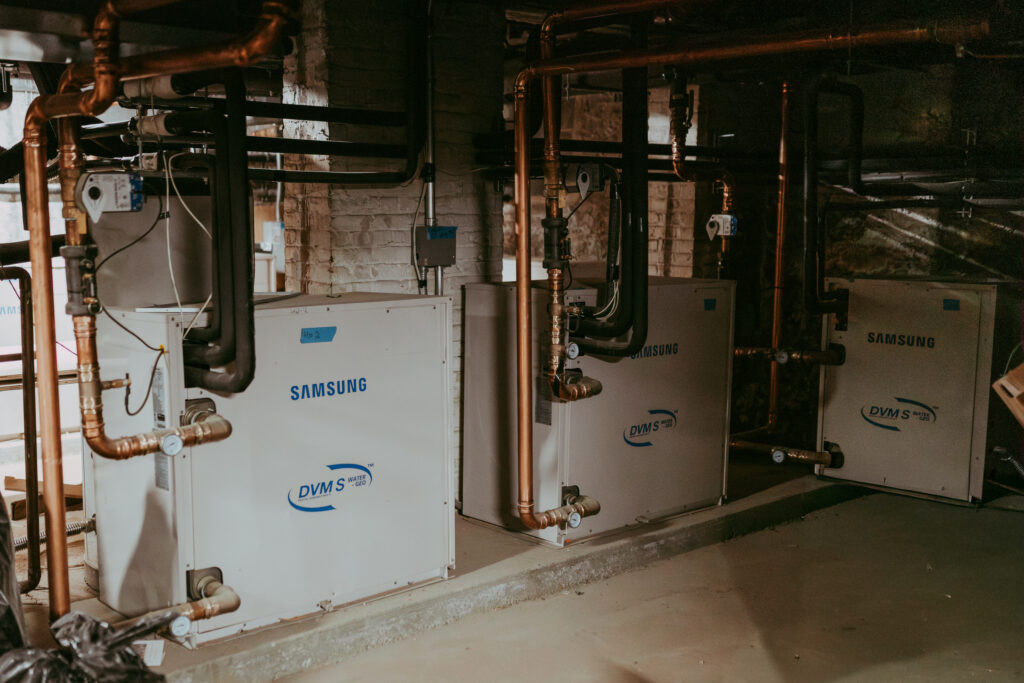
As NYCEEC toured the campus, much of the updated infrastructure would have gone unnoticed without Reverend Kurt having pointed it out. The team walked through the common areas, across the recently drilled wells, and into the basement, where the pumps now sit in the space previously occupied by the old boiler. The geothermal wells are located under the parking lot, forming a closed-loop system that operates out of sight.
Image: Multiple water-cooled condensers installed in the basement serve indoor heat pump units in the school and offices. This is where the original gas-fired steam boilers were located.
At the time of the visit, installation was complete, with half of the heat pumps fully commissioned. Even at partial capacity, the system successfully maintained comfort in the nave through a particularly cold winter. In the coming summer months, spaces that were previously unconditioned are expected to be cooled for the first time. With more efficient equipment and increased system control, the project is expected to reduce utility expenses.
Today, Christ Church is better positioned to serve its community year-round. The upgraded system provides more reliable performance, fewer disruptions, and greater flexibility in how spaces can be used. Over the long term, the geothermal system is expected to reduce both emissions and operating costs, allowing the congregation to better pursue its mission and provide community services. This energy system upgrade can stand as a model for similar institutions or buildings to integrate clean energy systems into historic structures. Christ Church Bronxville’s transition shows that an investment in building infrastructure is ultimately an investment in community.
Geothermal Contractor: ZBF Geothermal
Consulting Engineer: Tietjen Venegas Consulting Engineers
Photography: Laura Nicaise
Projected energy savings based on source savings. All information is from sources deemed reliable. No representation is made and we do not guarantee the accuracy of any information provided. No assurances can be given that the future results indicated, whether expressed or implied, will be achieved.